INDEPENDENT YARRA RANGES DIRECTORY
Dandenong Ranges after an Asia city break
Soft Dandenong Ranges day planning after Singapore, Tokyo or Bangkok: one theme, real sleep and realistic timing.
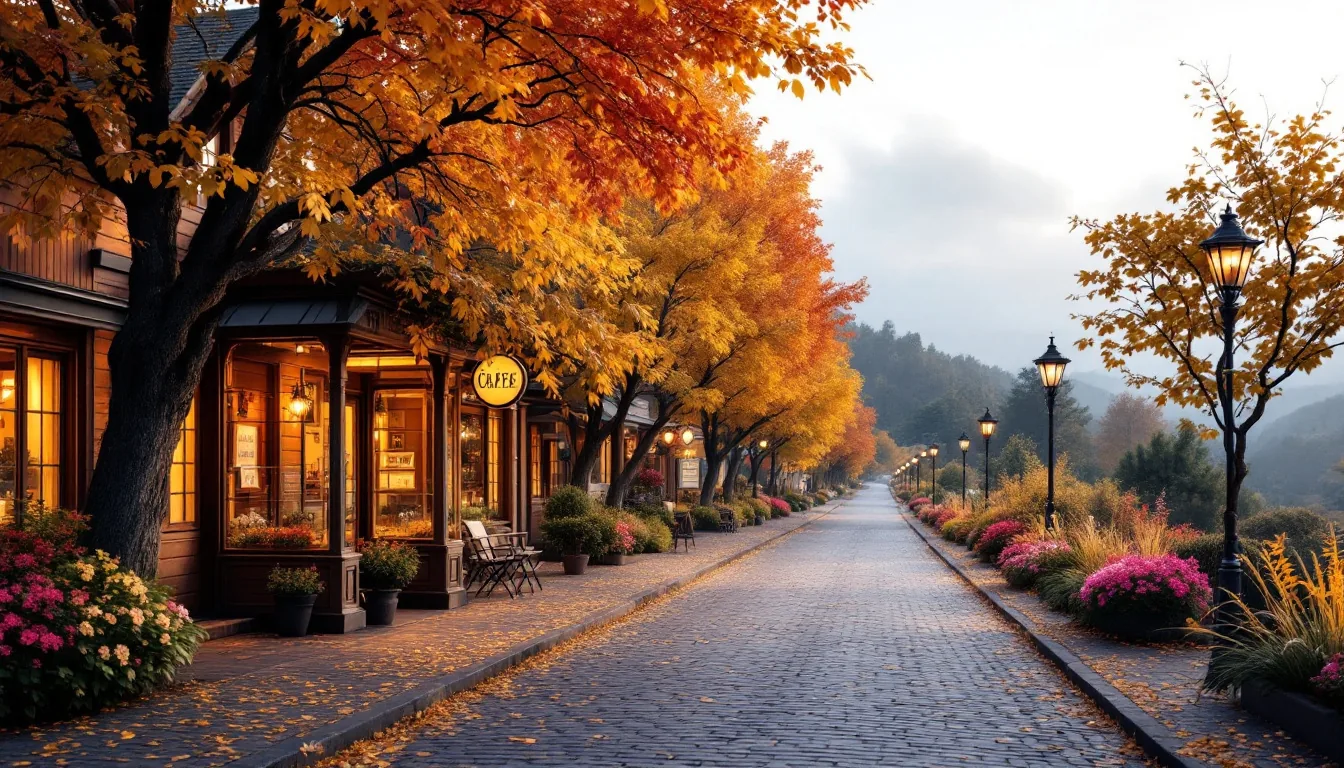
Asia city breaks teach density: hawker centres at midnight, train platforms that run to the minute, a dozen neighbourhoods in a weekend. The Dandenong Ranges teach something else: canopy, cool air and village pace. That only works if you leave the fear of missing out in Melbourne. This guide is for travellers coming in from Singapore, Tokyo or Bangkok who want a Ranges day that survives jet lag rather than one that looks good on paper.
Keep Asia planning separate
Urban stopover choices, like which Singapore neighbourhood to stay in or how many nights Tokyo deserves, belong with amazing asia. Once you land in Victoria, the planning tools change. Parks Victoria alerts, steam-train timetables and village opening hours run the day, and they don't bend to the pace you got used to in Asian capitals. Treat the two halves of the trip as separate projects and each one gets easier.
Soft-landing logic
Don't drive to Olinda the morning you land. Mountain roads through the Ranges are narrow and winding, often shaded and sometimes wet, and they reward an alert driver. Sleep a night in Melbourne first, then aim for a cool morning in the hills. Summer heat still reaches the exposed sections and lookouts, and winter mist makes boardwalks and timber steps slick. Pack layers either way: a light fleece and a rain shell cover most days, even when Melbourne feels warm at breakfast.
One theme per day
The biggest mistake after a busy Asia itinerary is trying to keep the same pace. Pick one theme and let the rest wait.
Forest and villages
Walk Sherbrooke Forest or the Grants Picnic Ground area with good wildlife manners, then take a short stroll through Olinda or Sassafras. That means one village and one café, not every tea room on the ridge.
Steam and foothills
Puffing Billy works best when seats and departure times are confirmed in advance. It isn't a backup plan for a missed forest morning, and the foothill stations need their own buffer time.
Yarra Valley wine
This is a different corridor with different roads and a different rhythm. Don't add it to a Ranges day straight after Asia. Give it its own day, or its own trip.
For route detail, see our Dandenong Ranges day trip and best walks guides. This page is the bridge between the two halves of your journey.
Wildlife manners when tired
Never feed wildlife. Keep food sealed and out of reach. Lyrebirds, cockatoos, crimson rosellas and possums all live alongside the picnic areas, and tired travellers make worse decisions around them. Have snacks away from wildlife hotspots, in the car or in a village, and keep picnic tables clean when you leave.
Food without the sugar crash
The villages are known for scones, cream and good coffee. After weeks of Asian street food, a Devonshire tea feels like a reward, but go easy on the sugar early if you still have forest walking ahead. If cellar doors later become tempting, choose a designated driver before the first tasting, or save wine for another day.
Sample bridge itinerary
- Asia city nights: Singapore, Tokyo, Bangkok or wherever your stopover lands.
- A Melbourne buffer night, with an early dinner and a full night's sleep.
- A Ranges theme day: forest and villages, or steam and foothills.
- Optionally, a second corridor such as the Yarra Valley on a later day.
Micro-itinerary that survives jet lag
Morning: one outdoor focus only. Midday: a proper sit-down meal. Afternoon: an optional second short stop, or a return to the hotel for a nap. Evening: an early dinner and no big night out. That rhythm looks boring on Instagram and feels excellent in a body that crossed Asia yesterday.
Timing buffers and weather
Build a spare half-day into every plan after a long-haul flight. Forecasts flip, attractions close for maintenance or fire danger, and traffic builds on hills roads on sunny weekends. An empty afternoon isn't a failure. It's what makes the unhurried morning possible. Check the best time to visit guide for seasonal patterns.
Practicalities: money, SIM and authorisations
Cards are widely accepted across the Ranges, though a little cash in Australian dollars helps at small stalls and honesty boxes. Asian eSIM plans sometimes roam at expensive rates, so buy local data if you need maps and booking text messages. Download offline maps before leaving Melbourne, because reception drops between folds of the hills. Tell your bank before you spend in Australia, and keep hotel and tour confirmations saved offline.
Communication for mixed-language groups
Screenshot meeting points, return times and hotel addresses. Agree on a check-in time in your group chat. If English is a second language for some of the group, choose quieter venues for the first meal so instructions and allergy questions can be heard clearly.
What not to combine
The Ranges, a full Yarra Valley tasting and a CBD laneway crawl after a red-eye flight is a highlight reel, not a day. Pick the forest day and let Melbourne's nightlife wait until you've had a proper sleep.
Closing the loop toward Asia again
Evening departures from Melbourne back toward Asia are common. Don't schedule your only Ranges morning on departure day unless your international flight leaves late and you've tested the drive back. Nature first, then the airport, with plenty of margin.
Why independent guides still matter
Official parks and transport pages change, and so do tour inclusions. This page doesn't give prices, tour IDs or opening hours. Use it for sequencing and an honest view of jet lag, then confirm live details on official and operator pages the week you travel. Independent guides should tell you when not to go as clearly as where to go. After Asia, your scarce resource is attention. Spend it on one landscape done well.
The Dandenong Ranges after Asia should feel cooler and quieter than the city you left. One theme, real sleep and fewer tea rooms than your optimism suggests.
Ranges.com.au is an independent directory, not Parks Victoria, a council or an official tourism authority. Confirm closures, safety information, opening hours and bookings with the responsible source.